
Understanding Construction Permits for Homeowners and Contractors
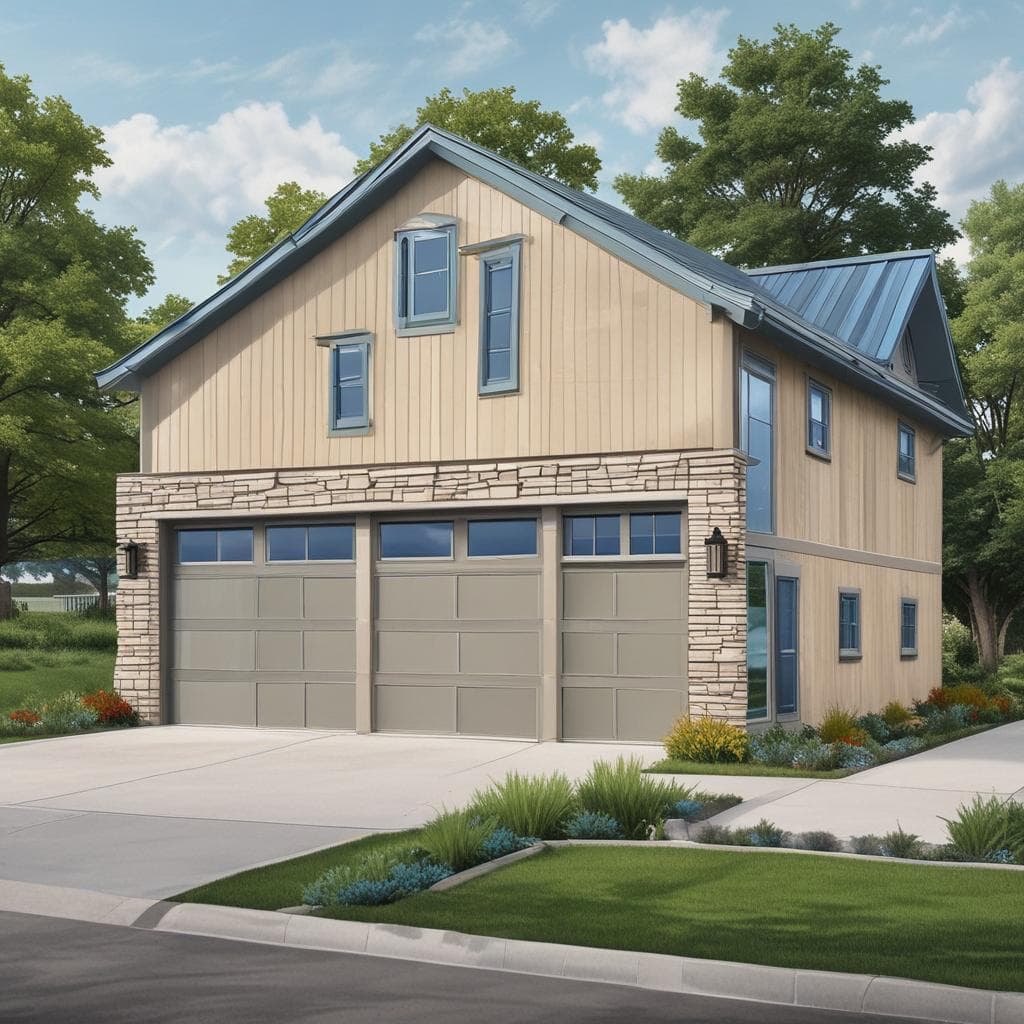
Last Updated: 12/24/2025
Construction permits are a critical part of any building or renovation project. Whether you're a homeowner planning a new addition or a contractor managing a commercial development, understanding the permit process is essential to avoid delays and legal issues. This article breaks down the key details of construction permits, including how to obtain them and what to expect during the approval process.
What Is a Permit?
A construction permit is an official authorization issued by a local government or building department. It allows you to legally begin work on a construction, renovation, or demolition project. Permits ensure that the work complies with local building codes, zoning laws, and safety regulations. Without a valid permit, you risk fines, project delays, or even having to undo completed work.
Where Do You Get a Building Permit?
You typically apply for a building permit at your local municipal building department or online through the city's official website. Many cities offer streamlined processes through platforms like GovCodex, which helps users navigate the application process efficiently. For more information on the application process, visit our How to Get a Building Permit page.
How to Get a Building Permit
The process for obtaining a building permit varies slightly depending on your location, but it generally includes the following steps:
- Review Local Regulations: Check with your local building department to determine which permits are required for your project.
- Prepare Documentation: This typically includes construction plans, proof of ownership, and a completed application form.
- Submit the Application: Apply in person, by mail, or online through your city's permitting system.
- Wait for Approval: The local authority reviews your application and may request revisions before granting the permit.
- Receive and Display the Permit: Once approved, you must display the permit at the job site for inspection purposes.
For a detailed walkthrough of the process, visit our How to Get a Building Permit page.
How Long Does It Take to Get a Construction Permit?
The time required to obtain a construction permit depends on the complexity of the project and the efficiency of the local permitting office. Simple projects may take a week or two, while larger or more complex developments can take several weeks or even months. Factors that influence processing time include:
- The completeness of your application
- The need for additional reviews or inspections
- The workload of the permitting office
For more details on processing times, visit our How Long Does It Take to Get a Construction Permit page.
Types of Construction Permits
There are several types of construction permits, each designed for specific types of work:
- Building Permits: Required for new construction, major renovations, or structural changes.
- Electrical Permits: Needed for electrical work, including rewiring or adding new circuits.
- Plumbing Permits: Required for plumbing installations or modifications.
- Mechanical Permits: Needed for HVAC systems or other mechanical installations.
- Demolition Permits: Required for tearing down structures.
For a full list of permit types, visit our Permit Types page.
The Importance of Contractors in Permitting
Contractors play a key role in the permitting process. Many local governments require licensed contractors to apply for permits on behalf of the property owner. Contractors are typically responsible for submitting accurate plans, ensuring compliance with building codes, and coordinating inspections. This helps streamline the process and reduce the risk of errors or delays.
For more information on the contractor's role in permitting, visit our Contractor Solutions page.
How Long Do You Need a Permit?
A construction permit is valid for a specific period, typically ranging from 6 months to 2 years, depending on the project and local regulations. If work is not completed within the permit's expiration date, you may need to apply for an extension or reapply for a new permit. Always check the permit's terms to avoid unexpected delays or additional fees.
Common Mistakes to Avoid
When applying for construction permits, avoid these common mistakes:
- Incomplete Applications: Ensure all required documents and forms are included.
- Ignoring Local Codes: Familiarize yourself with local building codes and zoning laws.
- Failing to Schedule Inspections: Many permits require scheduled inspections at various stages of the project.
- Not Displaying the Permit: Failing to display the permit at the job site can result in fines.
Conclusion
Navigating the construction permit process is a crucial part of any building project. By understanding the requirements, preparing the necessary documentation, and following local regulations, homeowners and contractors can ensure a smooth and compliant project. For more guidance on permits and building regulations, explore our GovCodex and Builder Resources pages.
Related Topics
Further reading
- Navigating Permit Construction: A Homeowner and Contractor Guide
- The Ultimate Guide to Permit Construction for Homeowners and Contractors
- How to Obtain a Building Permit for a Garage: A Homeowner's Guide
Further reading
Related Articles
When Does a DIY Project Become a Code Problem?
The line between a weekend project and a code problem isn't about how hard the work is — it's about what you touch. Here's how to tell when DIY needs a permit.
How to Find Your Local Building Code Without Getting Lost
A practical, no-dead-ends method to find the exact building and zoning code for your property — from code hosts and department pages to permit PDFs and state code adoption.

What Is a Setback and Why Does It Matter?
A setback is the minimum distance a structure must sit from a property line, right-of-way, or shoreline. Here's how each type is measured, when it applies, and how to find your lot's exact numbers.