2026 Building Code Changes Every Homeowner and Contractor Should Watch
Last Updated: 12/24/2025
The 2026 building code updates will redefine construction standards, affecting everything from energy efficiency to accessibility. Homeowners, investors, and contractors must adapt to avoid costly delays. Below, we break down the most critical changes and how GovCodex can help you stay compliant.
Key 2026 Building Code Changes
Energy Efficiency Mandates
- Stricter insulation requirements for attics, walls, and foundations.
- All-new HVAC efficiency ratings (minimum SEER 18 for residential systems).
- Solar panel integration in new construction (varies by state).
Structural and Safety Standards
- Revised windload calculations for coastal and high-risk zones.
- Mandatory foundation drainage systems in flood-prone areas.
- Updated fire-resistant material certifications for roofing and exteriors.
Electrical and Fire Safety
- Hardwired carbon monoxide detectors in all homes with fuel-burning appliances.
- EV charging station infrastructure requirements for new garages.
- Arc-fault circuit interrupters (AFCIs) extended to all bedroom circuits.
Accessibility Requirements
- Wider doorways (minimum 36 inches) in new construction and major renovations.
- No-step entries or ramp access for ground-floor units in multi-family buildings.
- Grab bars in bathrooms for properties in high-population areas.
How GovCodex Helps Navigate 2026 Changes
Streamline Permit Applications
GovCodex’s platform automates code checks and permits submission for 2026 standards. For example, our system flags if a proposed roof material doesn’t meet updated fire safety rules.
AI-Driven Code Compliance Checks
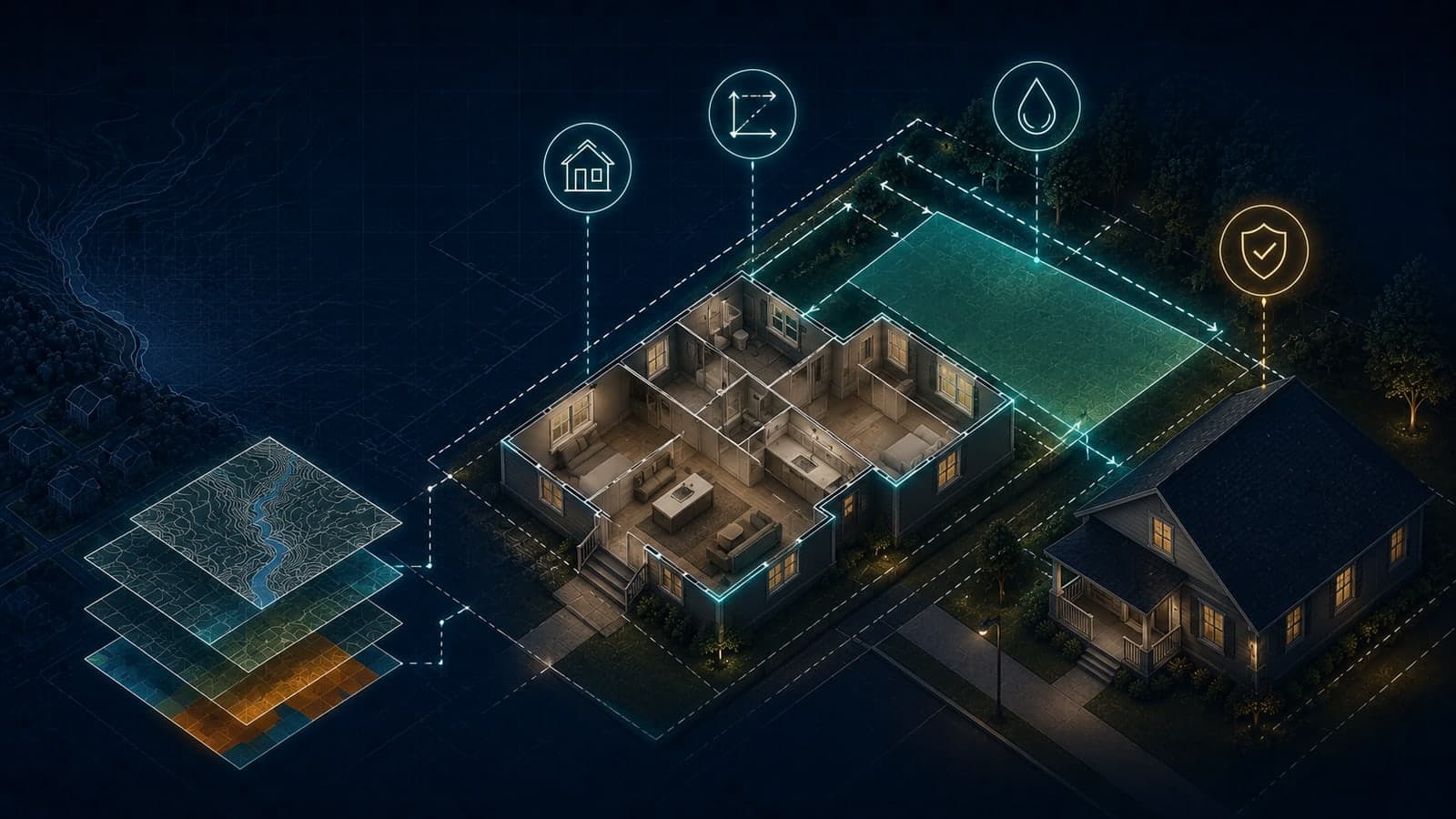
Leverage AI permit assistants to preview how 2026 rules apply to your project. Our tools integrate real-time data on zoning codes and setback rules to prevent violations before inspections.
Contractor Collaboration Tools
Builders can use GovCodex to share compliance reports with subcontractors, ensuring electrical, HVAC, and structural work aligns with 2026 mandates.
Preparing for 2026: Action Steps
- Audit Current Projects: Compare designs to 2026 renovations requiring permits (e.g., HVAC upgrades, additions).
- Review State-Specific Rules: Check state-by-state ADU laws if planning accessory units.
- Adopt AI Tools: Use GovCodex to simulate code compliance and avoid rework.
For deeper insights, explore our 2026 Homeowner Guide to Permits and AI vs Human Inspectors analysis on modernizing reviews.
Conclusion
The 2026 building code changes demand proactive planning. By leveraging GovCodex’s tools, homeowners and contractors can ensure compliance, reduce delays, and stay ahead of evolving standards.
Frequently asked questions
- How long does it take to get a permit?
- Do homeowners or contractors pull the permit?
- What documents are typically required?