Zoning Codes Explained in 2026: A Simple Framework for Understanding Any Property
Last Updated: 12/24/2025
Zoning codes determine what you can and cannot build on your land. For homeowners and property investors, understanding these rules in 2026 is critical to avoid costly delays. This guide simplifies zoning into actionable steps.
What Are Zoning Codes?
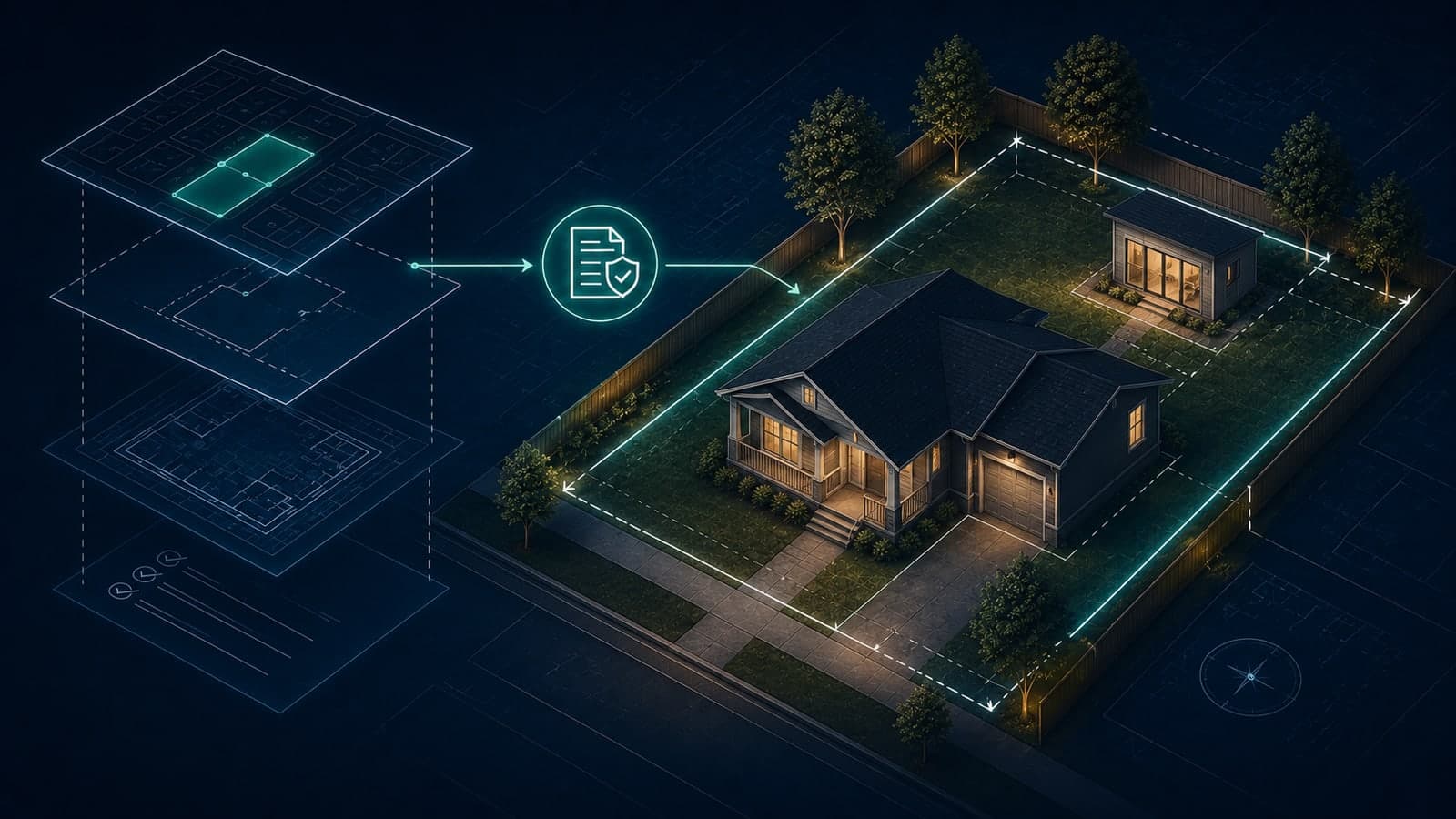
Zoning codes are local laws regulating land use, building size, density, and purpose. They ensure neighborhoods remain functional and safe. Key components include:
- Property classifications (residential, commercial, industrial)
- Use districts (single-family, multifamily, mixed-use)
- Setback requirements (distance from property lines)
- Height and density limits
For example, a "R-2" zone might restrict development to two-family homes with specific lot size minimums. Always check GovCodex’s permit database for local rules.
The 2026 Zoning Code Framework
1. Property Classifications
In 2026, property classifications have expanded to include hybrid categories like R-4.5 for high-density urban housing. Key types include:
- Residential: Single-family, duplex, apartment complexes
- Commercial: Retail, offices, industrial storage
- Agricultural: Farms, greenhouses, livestock
Investors: Verify classifications before purchasing land. Mismatches can derail development plans.
2. Use Districts and Overlay Zones
Use districts define how property can be used. For instance, a "C-3" district might allow restaurants but not nightclubs. Overlay zones add extra rules (e.g., historic preservation districts).
Pro tip: Use GovCodex’s AI builder to instantly check if your project aligns with use districts.
How to Check Zoning Compliance
Follow this 3-step process:
- Access official zoning maps: Available via city websites or GovCodex solutions
- Review use bylaws: Confirm allowed structures, height limits, and density
- Consult a local expert: Zoning lawyers or municipal liaisons can clarify ambiguities
Common 2026 Violations to Avoid
- Building beyond setback lines
- Using land for unapproved purposes (e.g., commercial in residential zones)
- Ignoring height restrictions (especially in flood-prone areas)
How AI is Transforming Zoning Compliance
As discussed in The Rise of AI Permit Assistants in 2026, AI tools now analyze zoning codes in seconds. These systems:
- Flag potential violations before submitting applications
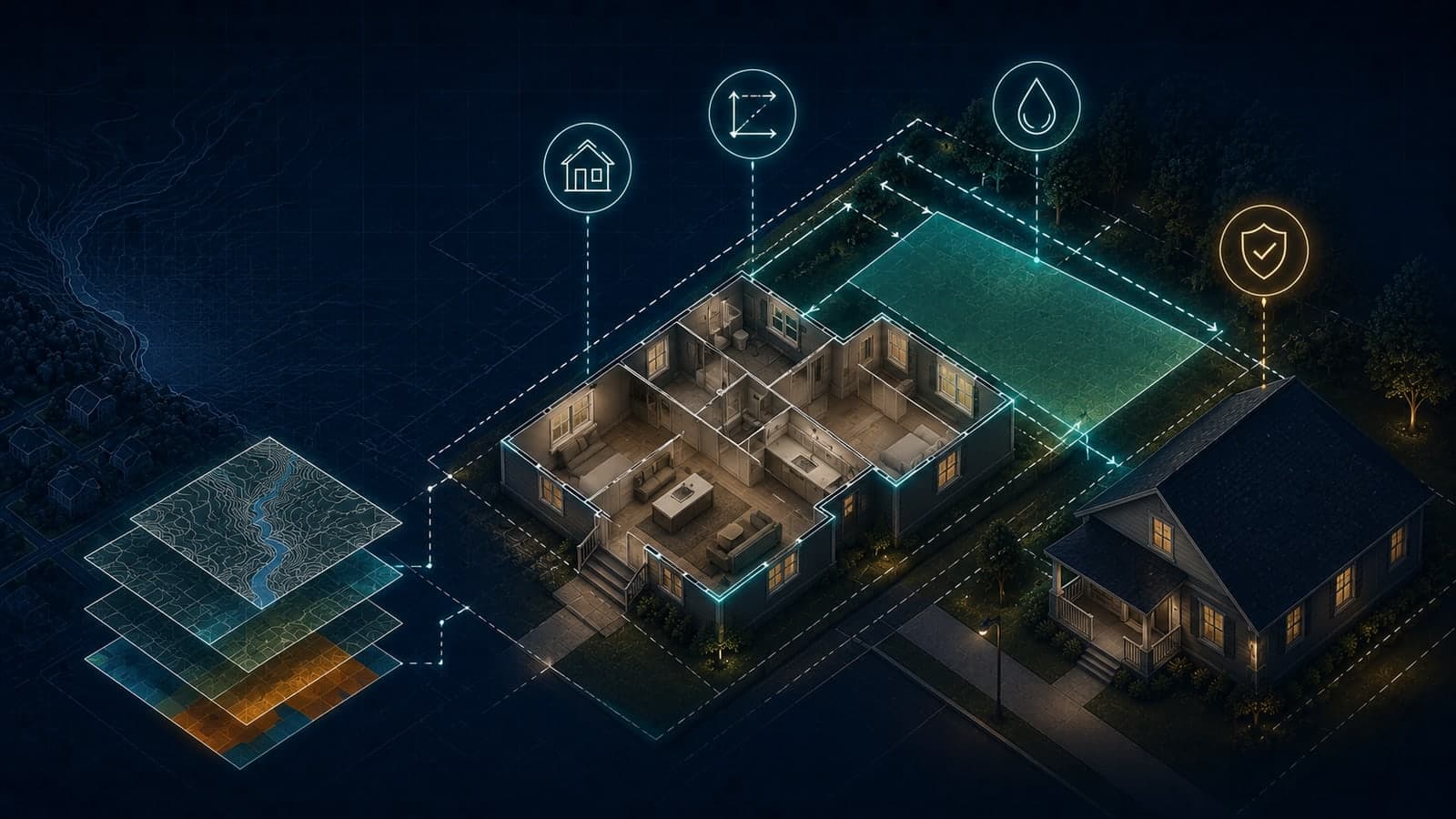
- Compare proposed designs against 3D zoning models
- Track updates to local codes in real-time
Next Steps for Homeowners and Investors
- Use GovCodex’s permit portal to verify requirements for your project
- Research Setback Rules in 2026 to maximize buildable space
- Consider accessory dwelling units (ADUs) if allowed in your zone
Zoning codes are not static. With AI-driven platforms and clearer frameworks, compliance in 2026 is faster and more intuitive than ever.
Frequently asked questions
- How long does it take to get a permit?
- Do homeowners or contractors pull the permit?
- What documents are typically required?