GovCodex
← Back to Blog

Streamlining Permit Processes: A Digital Transformation Guide
digital-transformationpermit-managementmunicipal-technology

Streamlining Permit Processes: A Digital Transformation Guide

Last Updated: 12/24/2025

In today's rapidly evolving municipal landscape, the need for efficient permit processing has never been more critical. Municipalities across the country are facing increasing pressure to deliver faster, more accurate permit services while maintaining compliance with complex regulatory requirements.

The Current State of Permit Processing

Traditional permit processing systems often rely on paper-based workflows that are:

  • Time-consuming and error-prone
  • Difficult to track and manage
  • Inefficient for both staff and applicants
  • Costly to maintain and archive

The Digital Transformation Solution

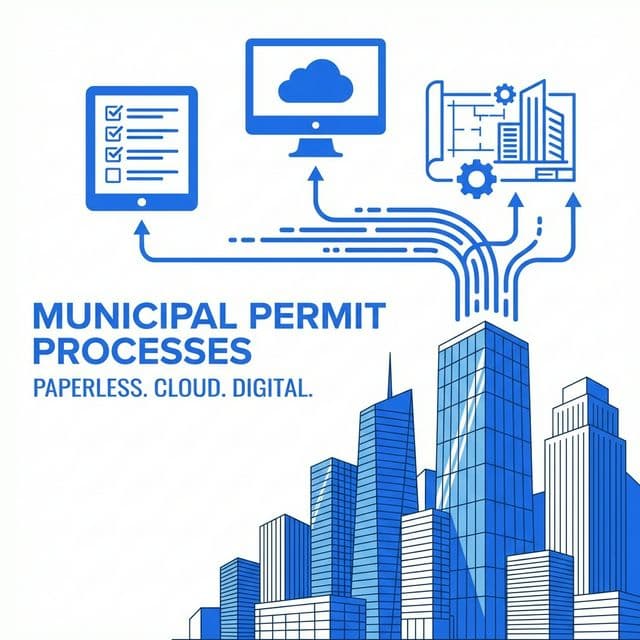
Modern permit management systems offer comprehensive solutions that address these challenges:

1. Automated Workflow Management

Digital systems can automatically route applications to the appropriate departments, reducing manual intervention and ensuring consistent processing.

2. Real-time Tracking and Notifications

Applicants and staff can track application progress in real-time, with automated notifications at each stage of the process.

3. Integrated Document Management

All supporting documents are stored digitally, making them easily accessible and searchable while reducing storage costs.

4. Advanced Analytics and Reporting

Comprehensive dashboards provide insights into processing times, bottlenecks, and opportunities for improvement.

Key Benefits of Digital Transformation

For Municipalities:

  • Reduced Processing Time: Up to 65% faster permit processing
  • Improved Accuracy: Automated validation reduces human error
  • Better Resource Allocation: Staff can focus on complex cases
  • Enhanced Compliance: Built-in regulatory checks and balances

For Applicants:

  • Faster Service: Reduced wait times for permit approval
  • Better Communication: Clear status updates and notifications
  • Convenient Access: Online application and document submission
  • Transparency: Clear visibility into the approval process

Implementation Best Practices

1. Start with a Pilot Program

Begin with a specific permit type or department to test the system and gather feedback.

2. Ensure Staff Training

Comprehensive training programs help staff adapt to new workflows and maximize system benefits.

3. Maintain Data Security

Implement robust security measures to protect sensitive applicant information.

4. Plan for Integration

Ensure the new system integrates with existing municipal software and databases.

Success Stories

Several municipalities have successfully implemented digital permit systems:

  • City of Austin: Reduced building permit processing time by 40%
  • Denver County: Achieved 99.9% accuracy in permit processing
  • Seattle Metro: Improved customer satisfaction scores by 35%

Looking Ahead

As technology continues to evolve, municipalities must stay ahead of the curve. The future of permit processing includes:

  • AI-Powered Review: Automated initial screening of applications
  • Mobile Applications: On-the-go permit management for inspectors
  • Blockchain Integration: Secure, immutable record-keeping
  • Predictive Analytics: Proactive identification of potential issues

Conclusion

Digital transformation of permit processes is not just a technological upgrade -- it's a fundamental shift in how municipalities serve their communities. By embracing these changes, local governments can provide better service, improve efficiency, and build stronger relationships with their constituents.

The journey toward digital transformation may seem daunting, but with the right approach and tools, municipalities can successfully navigate this transition and emerge stronger, more efficient, and better equipped to serve their communities.

Related Articles