
Building Permits in Appleton, WI: Requirements, Setbacks & Compliance Guide
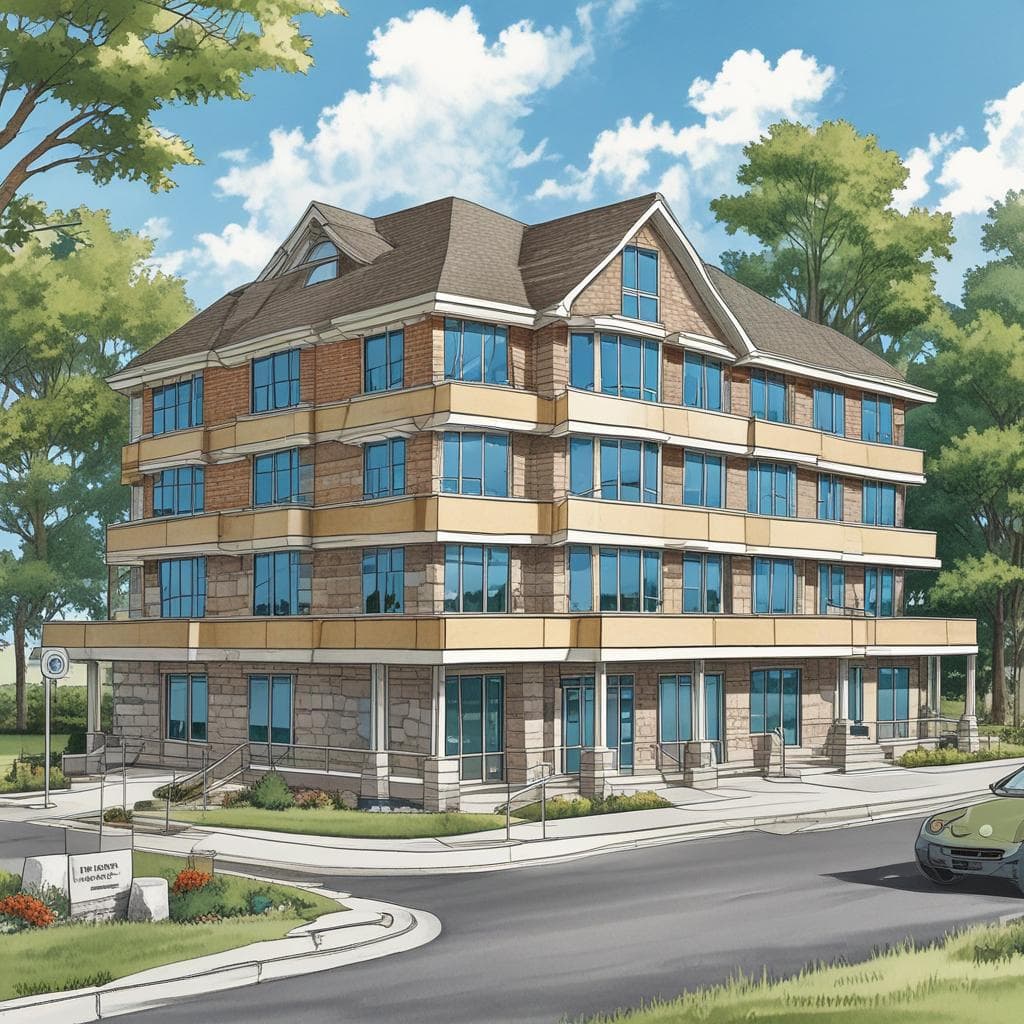
Last Updated: 12/24/2025
Securing a building permit in Appleton, Outagamie County, Wisconsin, is essential for ensuring safe, code-compliant construction. This guide breaks down Appleton-specific regulations, including setbacks, Wisconsin Act 211 compliance, and seasonal considerations to help you navigate the process efficiently.
Understanding Appleton's Building Permit Requirements
Key Permit Types
Appleton requires permits for most construction projects, including:
- Residential construction and renovations
- Commercial building permits
- Electrical, plumbing, and HVAC work
- Deck, fence, and sign installations
Setback Requirements
Appleton Code §20.10 mandates strict property setbacks:
- Front setbacks: 25 feet from the street line
- Side setbacks: 8 feet from property lines
- Rear setbacks: 25 feet from the rear property line
Tip: Use our Appleton municipal map tool to verify lot boundaries before submitting plans.
Wisconsin Act 211 Compliance
Wisconsin Act 211 streamlines permit processes across municipalities. Appleton adheres to this law by:
- Standardizing application forms
- Offering digital submission options
- Enforcing uniform inspection schedules
UDC Standards and Local Code Compliance
Uniform Dwelling Code (UDC) Overview
The UDC (Wisconsin Administrative Code Chapter UDC) governs residential construction, covering:
- Structural integrity and materials
- Electrical and plumbing safety
- Accessibility requirements
How UDC Applies in Appleton
Appleton enforces UDC standards for all single- and multi-family dwellings. Key requirements include:
- Minimum ceiling heights (7 ft. in habitable rooms)
- Egress window size and placement
- Insulation R-values for Wisconsin climate zones
Review Appleton permit precedents for examples of approved UDC-compliant projects.
Seasonal Considerations for Wisconsin Construction
Winter Construction Challenges
Appleton's harsh winters (average -10°F in January) impact construction timelines. Consider:
- Frozen ground delays for foundation work
- Increased costs for heating construction sites
- Snow removal plans in permit applications
Permit Adjustments for Seasonal Factors
The Appleton Municipal Building Department offers winter-specific guidance, including:
- Expedited permits for snow emergency projects
- Revised inspection windows during extreme cold
- Guidance on frost-protected shallow foundations
How to Apply for a Building Permit in Appleton
Step-by-Step Application Process
- Pre-Application Consultation: Schedule a meeting at the Appleton Municipal Building
- Submit Plans: Include site plans, blueprints, and engineering reports
- Pay Fees: Varies by project type (avg. $250-$2,500)
- Inspections: Schedule required inspections via the permit check portal
Required Documentation
- Completed Act 211 application form
- Proof of property ownership
- Zoning compliance statement
- UDC-compliant construction plans
Leveraging Appleton's Permit Resources
Appleton residents can access:
- Interactive zoning map tool
- Permit precedents database for approved projects
- Seasonal construction guides on the city website
By following Appleton's 25ft front/rear and 8ft side setbacks, adhering to UDC standards, and accounting for Wisconsin's winter challenges, you can streamline your permit process and ensure code-compliant development.
Need help determining permit requirements for your project? Use our permit check tool for instant guidance.
Need Help with Your Wisconsin Permit?
Use GovCodex's AI-powered permit assistant to check requirements for your specific property and project. Get instant answers about setbacks, zoning, and permit procedures.
Check Your Permit Requirements
GovCodex provides comprehensive permit assistance for Wisconsin municipalities including setback calculations, precedent search, and AI-powered permit guidance.
Further reading
Related Articles
Madison Zoning Variances: A Guide to Dane County Permit Requirements
Navigate Madison's zoning variance process with insights on setbacks, Wisconsin Act 211 compliance, and seasonal construction challenges.
Understanding Building Permits: Real-World Examples and Key Requirements
Explore real building permit examples and learn what's needed to obtain a permit for your construction project.
How Permit Management Software Streamlines Homeowner and Contractor Permit Processes
Discover how permit management software simplifies building and construction permit applications for homeowners and contractors.