
Building Code Compliance: Best Practices for Municipalities
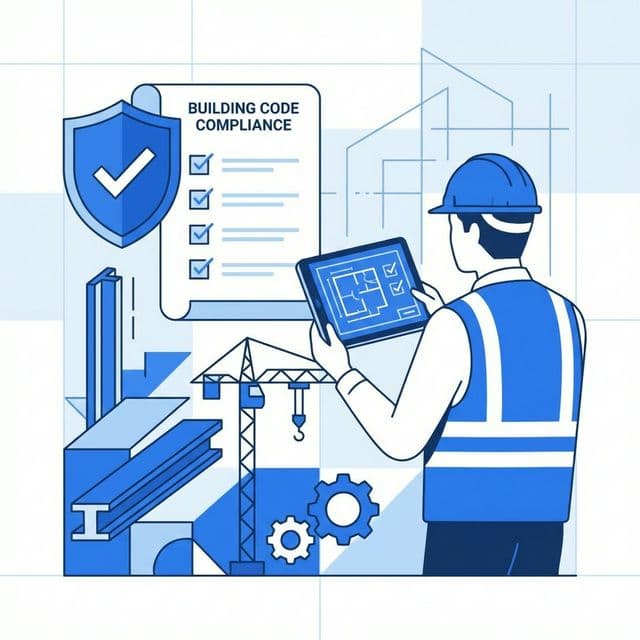
Last Updated: 12/24/2025
Building code compliance is a critical responsibility for municipalities, ensuring public safety while supporting community development. This comprehensive guide explores best practices for maintaining compliance while streamlining permit processes.
Understanding Building Code Compliance
Building codes are designed to protect public health, safety, and welfare. Municipalities must balance strict enforcement with efficient processing to support community development.
Key Compliance Areas:
- Structural Safety: Ensuring buildings can withstand environmental stresses
- Fire Safety: Proper fire suppression and evacuation systems
- Accessibility: ADA compliance for public buildings
- Energy Efficiency: Meeting modern energy standards
- Environmental Impact: Sustainable building practices
Best Practices for Municipalities
1. Comprehensive Review Processes
Implement multi-stage review processes that catch issues early:
- Initial screening for completeness
- Technical review by qualified inspectors
- Final approval with quality assurance
2. Digital Documentation Systems
Maintain comprehensive digital records:
- All plans and specifications
- Inspection reports and photos
- Correspondence and approvals
- Historical compliance data
3. Regular Training Programs
Keep staff updated on code changes:
- Annual training on new code requirements
- Continuing education for inspectors
- Cross-training between departments
4. Technology Integration
Leverage technology for better compliance:
- Automated code checking software
- Digital plan review tools
- Mobile inspection applications
- Real-time compliance tracking
Common Compliance Challenges
1. Code Updates and Changes
Building codes are regularly updated, requiring municipalities to:
- Stay current with new requirements
- Train staff on changes
- Update review processes
- Communicate changes to stakeholders
2. Resource Constraints
Limited staff and budget can impact compliance:
- Prioritize high-risk projects
- Implement efficient review processes
- Leverage technology for automation
- Partner with neighboring jurisdictions
3. Complex Projects
Large or unusual projects require special attention:
- Early consultation with applicants
- Specialized review teams
- Extended review timelines
- Additional documentation requirements
Technology Solutions
1. Automated Code Checking
Software can automatically check plans against code requirements:
- Identify potential violations
- Flag areas requiring attention
- Generate compliance reports
- Reduce manual review time
2. Digital Plan Review
Online plan review systems offer:
- Simultaneous review by multiple departments
- Digital markups and comments
- Version control and tracking
- Integration with permit systems
3. Mobile Inspection Tools
Field inspectors can use mobile applications for:
- Real-time data entry
- Photo documentation
- GPS location tracking
- Immediate issue reporting
Measuring Compliance Success
Key Performance Indicators:
- Processing Time: Average time from application to approval
- Compliance Rate: Percentage of projects meeting all requirements
- Appeal Rate: Number of decisions appealed
- Customer Satisfaction: Applicant feedback scores
Regular Audits:
- Internal compliance audits
- Third-party reviews
- Performance benchmarking
- Continuous improvement processes
Future Trends
1. AI-Powered Review
Artificial intelligence will increasingly assist with:
- Automated code checking
- Pattern recognition for common issues
- Predictive compliance modeling
- Risk assessment
2. BIM Integration
Building Information Modeling will enable:
- 3D plan review
- Automated clash detection
- Lifecycle management
- Enhanced collaboration
3. Smart City Integration
Connected systems will provide:
- Real-time monitoring
- Predictive maintenance
- Automated compliance reporting
- Enhanced public safety
Conclusion
Building code compliance is essential for public safety and community development. By implementing best practices and leveraging technology, municipalities can maintain high compliance standards while providing efficient service to their communities.
The key to success is finding the right balance between thorough review and efficient processing, using technology to enhance rather than replace human expertise.