
Top 2026 Renovations That Trigger Permits and How to Get Approved Faster
Last Updated: 12/24/2025
In 2026, AI-driven permitting systems and stricter zoning codes are reshaping renovation compliance. Whether you're a homeowner or property investor, understanding which projects require permits—and how to fast-track approvals—is critical. Below, we outline the top renovations triggering permits and strategies to expedite approvals using modern tools.
Major Renovations Requiring Permits in 2026
1. Structural Changes
Reinforcing foundations, removing load-bearing walls, or altering floor plans triggers permits. AI code-checkers like GovCodex’s platform analyze blueprints against local standards, reducing review times by 40%.
2. Electrical and Plumbing Upgrades
Full kitchen remodels, new circuits, or tankless water heater installations require permits. Visit /permits to compare state-specific requirements for electrical and plumbing codes.
3. HVAC System Replacements
Replacing furnaces, ductwork, or installing smart thermostats needs approval. Include energy efficiency reports to align with 2026 green building mandates.
4. Room Additions and Decks
Any addition over 120 sq. ft. or decks above 30 inches requires a permit. Use GovCodex Builder tools to generate compliant design proposals.
5. Windows and Doors
Replacing more than two windows or installing French doors may trigger permits. Check state-specific guides for size and egress requirements.
6. Accessory Dwelling Units (ADUs)
With 2026’s ADU boom, permits are mandatory for legal units. See state-by-state ADU rules and use AI floor-planners to optimize layouts.
Minor Renovations That Often Overlooked Permits
- Installing solar panels
- Building fences over 6 ft.
- Altering fireplaces or chimneys
- Basement finishings with electrical work
How to Get Approved Faster in 2026
1. Use AI Permit Assistants
Platforms like GovCodex auto-generate code-compliant plans and pre-screen for violations. Learn more about AI’s role in cutting approval timelines.
2. Submit Detailed Documentation
Include 3D renderings, material specs, and neighbor letters for noise-sensitive areas. Incomplete submissions now trigger AI prompts for revisions.
3. Check Zoning and Setback Rules
Use interactive zoning maps to confirm setbacks, height limits, and allowable square footage before applying.
4. Engage Pre-Approved Contractors
Builders registered on GovCodex Builder have verified compliance histories, speeding pre-approvals for their projects.
Staying Ahead of 2026 Permit Trends
With AI inspectors flagging code violations in real-time and zoning frameworks simplifying compliance, preparation is key. Always cross-reference state-specific guides and leverage AI tools to avoid costly delays.
For instant permit checks, use GovCodex’s AI-driven platform and stay ahead of evolving regulations.
Frequently asked questions
- How long does it take to get a permit?
- Do homeowners or contractors pull the permit?
- What documents are typically required?
Further reading
Related Articles
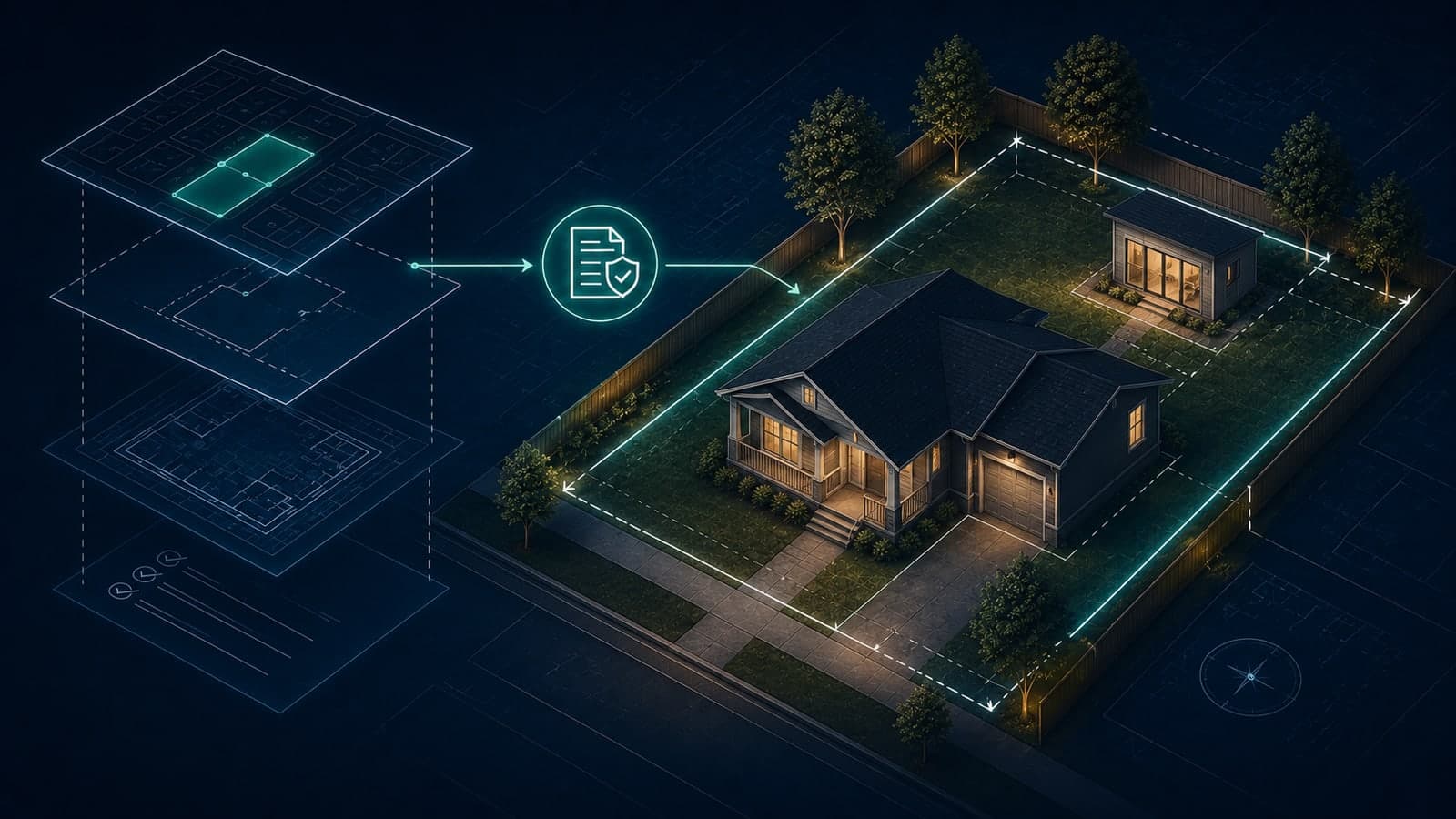
The 2026 Permit Checklist: What to Submit for Homeowners and Property Investors
Ensure compliance and streamline your project with GovCodex’s 2026 permit checklist. Learn what to submit and avoid costly delays.

The 2026 Homeowner Guide to Permits: What Requires Approval in Every State
Navigate 2026 permit requirements with this state-by-state guide. Avoid delays and fines with expert tips for homeowners and investors.
Efficient Permit Search for Homeowners and Contractors
Learn how to quickly and accurately find building and construction permits using GovCodex's intuitive permit search tools.