
Building Permit for Fence: A Homeowner and Contractor Guide
Last Updated: 12/24/2025
A building permit for fence is a critical step in any construction project involving property boundaries. Whether you're a homeowner planning a new backyard enclosure or a contractor handling multiple fence installations, understanding local requirements is essential to avoid legal issues and delays.
When Do You Need a Fence Permit?
Most municipalities require a building permit for fence installations that meet specific criteria. These typically include:
- Fences over 6 feet in height
- Fences within a designated setback area
- Fences constructed from non-standard materials
- Fences on properties zoned for commercial use
To confirm if your project needs a permit, consult your city's permit department. The GovCodex platform provides a quick permit lookup tool to help determine requirements based on your location and project scope.
How to Apply for a Fence Permit
The application process generally includes these steps:
- Review Local Codes: Access your city's building codes to understand height, setback, and material restrictions.
- Prepare Documentation: Submit plans showing fence dimensions, materials, and location relative to property lines.
- Submit Application: Complete the fence permit application form and pay the required fee.
- Wait for Approval: Most fence permits are processed within 7-14 business days, though this can vary by jurisdiction. See how long does it take to get a building permit for more details.
- Schedule Inspections: After construction, an inspector will verify compliance with approved plans.
Residential vs. Commercial Fence Permits
Residential and commercial fence projects have distinct requirements:
| Aspect | Residential Fences | Commercial Fences |
|---|---|---|
| Height Limit | Usually 6-8 feet | Often 10-12 feet |
| Permit Fee | Lower, often $50-$200 | Higher, $200-$500+ |
| Inspection Requirements | Basic compliance check | More rigorous safety inspections |
Commercial projects also require coordination with contractors and builders to ensure compliance with zoning and ADA accessibility standards.
Common Mistakes to Avoid
- Assuming No Permit is Needed: Many homeowners skip this step, only to face fines or forced removal.
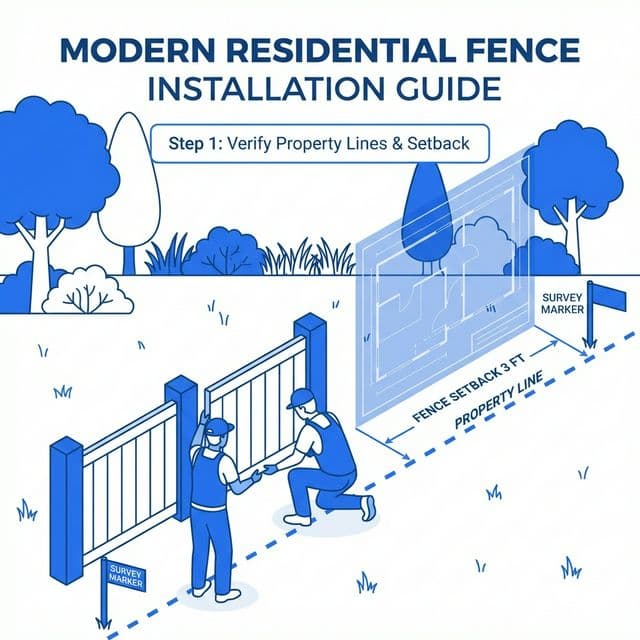
- Ignoring Setback Rules: Measure from property lines to ensure compliance with local ordinances.
For more information on how to get a building permit or where do you get a building permit, visit the GovCodex platform.
Frequently Asked Questions
Do I need a permit for a wooden privacy fence?
If the fence exceeds 6 feet in height or is in a restricted area, you likely need a permit. Always check local requirements.
How long do I need to keep a fence permit?
Permits are typically valid for 6-12 months. If construction isn't completed within this timeframe, an extension may be required.
Can I get a copy of my fence permit online?
Yes, many cities offer digital access to permit records. Check your city's online portal or use GovCodex's how to get a copy of city permit guide.
For a comprehensive overview of all building permit requirements and tools to streamline your application, visit the GovCodex platform today.
Frequently asked questions
- How long does it take to get a permit?
- Do homeowners or contractors pull the permit?
- What documents are typically required?
Further reading
- How to Obtain a Building Permit for a Garage: A Homeowner's Guide
- How to Get a Building Permit: A Step-by-Step Guide for Homeowners and Contractors
- Understanding Building Permit Requirements: A Guide for Homeowners and Contractors
Further reading
Related Articles

Milwaukee Building Permits 101: A Guide to Wisconsin Act 211, UDC, and Local Codes
Navigate Milwaukee building permits with this guide to Act 211 compliance, UDC standards, and local codes. Get expert insights on setbacks, seasons, and procedures.

How to Obtain a Building Permit for a Garage: A Homeowner's Guide
A comprehensive guide for homeowners and contractors on securing a building permit for a garage project, including key requirements and timelines.

Navigating Baltimore Permits: A Homeowner and Contractor Guide
Understanding the Baltimore permit process is crucial for homeowners and contractors. Learn the essentials of obtaining and managing permits in the city.