
Accessory Dwelling Units in 2026: The Complete State-by-State Legal Breakdown
Last Updated: 12/24/2025
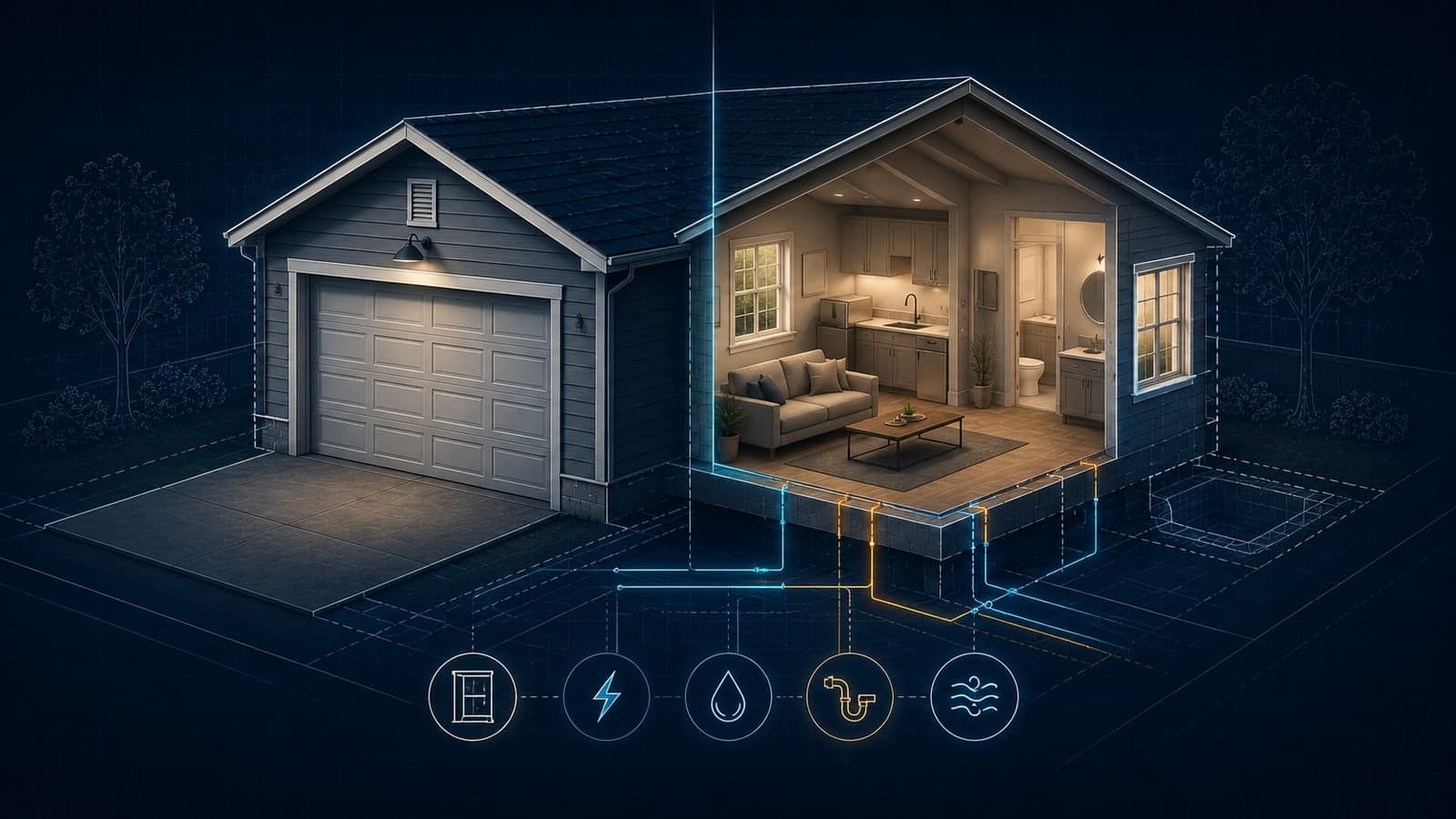
Accessory Dwelling Units (ADUs) are reshaping housing markets in 2026, but their legality, size limits, and permitting requirements vary wildly by state. For homeowners and property investors seeking to maximize returns or expand housing options, understanding these rules is critical. This guide simplifies the 2026 landscape.
Why ADUs Matter in 2026
ADUs—secondary living spaces on single-family lots—are booming due to housing shortages and remote work trends. They offer:
- Affordable rental income for homeowners
- Multi-generational living solutions
- Investment diversification for real estate portfolios
However, 2026’s updated zoning codes and AI-driven permit reviews mean compliance is more complex than ever. Our permit solutions streamline this process.
Key Legal Trends in 2026
1. Statewide Reforms
- California: ADUs now allowed in 95% of cities, with no maximum size (up to 1,200 sq. ft.). Mandatory EV charging ports required.
- Texas: No statewide caps, but Houston now mandates ADUs in all zones.
- New York: ADUs in all counties must allow short-term rentals (Airbnb-style) under 90 days/month.
2. Zoning Restrictions
- Setback Rules (see Setback Rules in 2026): Most states require ADUs to be 5–10 feet from property lines.
- Parking Mandates: Zoning Codes Explained in 2026 show 85% of states require 1 parking space per ADU.
3. Permit Requirements
- California: ADUs under 800 sq. ft. qualify for streamlined permits via GovCodex’s AI builder.
- Florida: Requires full structural inspections, even for detached units.
State-by-State Snapshot
| Region | Key States | Legal Status | Permit Tips |
|---|---|---|---|
| West | CA, OR, WA | Legal in 90%+ cities | Use AI permit tools to auto-generate plans |
| South | TX, FL, GA | Legal but vary by county | Check county zoning databases |
| Northeast | NY, NJ, PA | Legal in all counties | Short-term rentals allowed in 85% of regions |
| Midwest | CO, MN, MI | Legal with size limits | Minimum 300 sq. ft. in 75% of cities |
Avoid Costly Mistakes
- Penalties: Fines of $500–$5,000 for non-compliant ADUs in 2026.
- AI Compliance Checks: How cities use AI to detect violations before inspections.
Next Steps for Homeowners
- Review your state’s ADU laws using our state-specific permit guide.
- Design compliant units with GovCodex’s builder tools.
- Submit permits early to avoid delays (average approval time: 3–6 weeks in 2026).
For investors, ADUs can boost property value by 15–30% in 2026 markets. Stay ahead of regulations and leverage AI to cut project timelines in half.
*Need further clarity? Explore the 2026 Homeowner Guide to Permits or Zoning Codes Explained in 2026.
Frequently asked questions
- How long does it take to get a permit?
- Do homeowners or contractors pull the permit?
- What documents are typically required?
Further reading
Related Articles
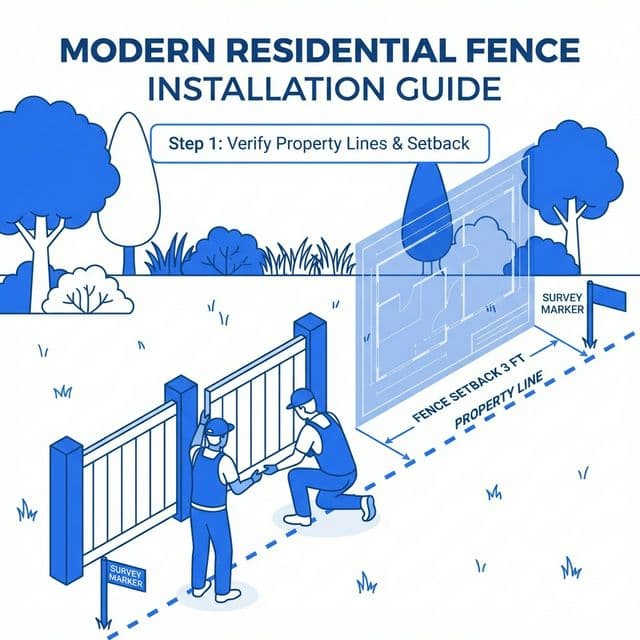
Fence Permit Rules: Height, Setbacks, and Property Lines Explained
Fence permit rules vary widely by city, but the same handful of factors—height, yard location, setbacks, corner-lot sightlines, and your true property line—decide nearly every case. Here's how to read them for your lot.

Permit Application Checklist for Home Renovations
A practical, local-code-aware building permit document checklist for home renovations — site plans, drawings, survey, structural details, and the local variables that change what your jurisdiction actually requires.

The Difference Between Building, Zoning, Electrical, and Plumbing Permits
A plain-English guide to how building, zoning, electrical, plumbing, mechanical, right-of-way, and floodplain/shoreland permits differ, who reviews each, and how they stack on one project — with a researched Sturgeon Bay, Wisconsin example.